Open-Box Electronics: What the Grading Actually Means Before You Buy
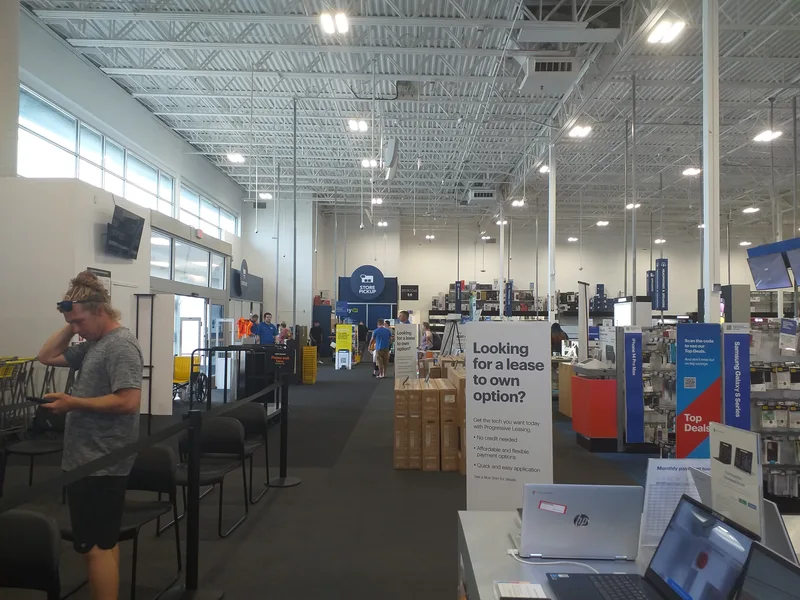
"Open-box" sits in an odd middle ground on a retailer's shelf, priced below new but rarely as cheap as a fully certified refurbished unit, and the label itself covers a wider range of actual product condition than most shoppers realize. Understanding what actually happened to an item before it got that sticker — and what a retailer's specific grading actually promises — is the difference between a genuinely good deal and paying nearly full price for a return that has an undisclosed problem.
What "open-box" actually means, and what it doesn't
An open-box item is, at its simplest, a product that was purchased, then returned to the retailer, with its original packaging opened at some point in that process. That single fact covers an enormous range of real-world scenarios: a customer who opened the box, decided they didn't like the color, and returned it unused within hours; a display unit that sat on a store floor for months and absorbed genuine wear from customer handling; or a unit that was used for weeks before being returned for a legitimate defect that may or may not have been properly diagnosed and fixed before resale. Unlike certified refurbished electronics, which generally implies a structured testing and repair process before resale, "open-box" by itself makes no promise about testing at all — it's purely a statement about packaging history, not a quality guarantee.
Retailer grading systems are where the real information lives
Because "open-box" alone says so little, the more useful signal is the specific condition grade a retailer assigns, if they use one — labels like "Excellent," "Satisfactory," or "Fair" that describe cosmetic condition and, in better programs, whether the item was functionally tested before being put back up for sale. Larger retailers with formal open-box programs typically test functionality and disclose cosmetic condition honestly as part of that process, closer in spirit to a manufacturer-backed refurbishment program, while smaller retailers or online marketplace sellers using the term more loosely may simply mean "the box was opened" with no functional testing implied at all. Reading exactly what a specific retailer's open-box grading actually covers — not just trusting the word itself — is the single most useful thing a shopper can do before buying.
Why open-box pricing sometimes beats refurbished
Open-box items are often priced more aggressively than certified refurbished units of the same product, because they typically carry a shorter or more limited warranty and involve less guaranteed reconditioning work on the retailer's part — the retailer is pricing in less certainty about the item's exact condition, and passing some of that uncertainty discount on to the buyer. For a shopper comfortable doing their own inspection immediately upon arrival and who's buying from a retailer with a reasonable return window as a backstop, that can represent real extra savings beyond what a certified refurbished purchase would offer on the identical product. The tradeoff is accepting more uncertainty about condition in exchange for that lower price, which is a reasonable trade for some purchases and not for others.
What to check the moment an open-box item arrives
Because open-box items carry more condition uncertainty than new or certified refurbished purchases, a careful inspection immediately on arrival matters more than it would with a standard new purchase. Check that all original accessories, cables, and documentation are actually present, since a return is more likely to be missing a piece than a brand-new sealed unit. Power the device on immediately and test its core functions before the return window closes — screen for dead pixels, ports for a secure physical connection, battery for a reasonable initial charge level, and any specific feature the product is known for. Photograph the item and packaging as received, which protects you if a dispute arises later about whether damage was pre-existing or occurred after delivery.
Return windows and warranty coverage deserve extra scrutiny
Open-box purchases sometimes carry a shorter return window or reduced warranty coverage compared to the same item bought new, and it's worth confirming those specific terms before buying rather than assuming they match a standard purchase automatically. A generous return window is a meaningful part of an open-box item's real value, since it's effectively a safety net against the condition uncertainty inherent in the category — an open-box purchase with only a short no-questions-asked return period carries meaningfully more risk than one backed by 30 or 60 days to fully test the item, and that difference is worth factoring into a price comparison as much as the sticker price itself. Anyone specifically weighing whether additional coverage makes sense on top of what's included should check our broader guide on when extended warranties on electronics are actually worth paying for, since the calculus shifts somewhat for a previously-owned item compared to something bought new.
When open-box is a genuinely smart buy versus a risk not worth taking
Open-box makes the most sense for products that are easy to fully test within minutes of unboxing — phones, laptops, headphones, most consumer electronics where core functionality is quick to verify — bought from a retailer with clear grading disclosure and a reasonable return window as a backstop. It's a much riskier proposition for products where a defect might not surface immediately, or where the specific retailer offers no meaningful condition disclosure or return protection at all. Timing also matters here the same way it does with other seasonal electronics purchases: open-box inventory tends to spike right after major sales events and the holiday return season, meaning the best open-box selection and pricing often shows up in January, shortly after a wave of holiday gift returns hits retailer inventory.
The bottom line
Open-box electronics can be a genuinely smart way to save money, but the savings depend entirely on a specific retailer's grading transparency and return policy rather than the "open-box" label itself, which guarantees almost nothing on its own. Reading the specific condition grade, confirming the return window, and testing the item thoroughly the moment it arrives turns an open-box purchase from a gamble into a reliable way to get a meaningful discount on electronics that are, in most cases, functionally identical to new.